Legal service for foreign clients
Buying Property in Thailand as a Foreigner in Thailand
Condos can be freehold within the 49% quota — land and houses need other structures that demand careful review.
Quick answer
Foreigners can own condominium units freehold under the Condominium Act when the unit sits within the 49% foreign quota of saleable area, with the purchase funds remitted from abroad and evidenced by a bank letter. Land generally cannot be owned; options such as 30-year leases must be checked so they do not amount to legal evasion. Land Office transfer fees and taxes are statutory. Contact our team for a quotation.
Contact our team for a quotation — Contact our team for a quotation; government fees are billed separately. · Timeframe stated in the quotation
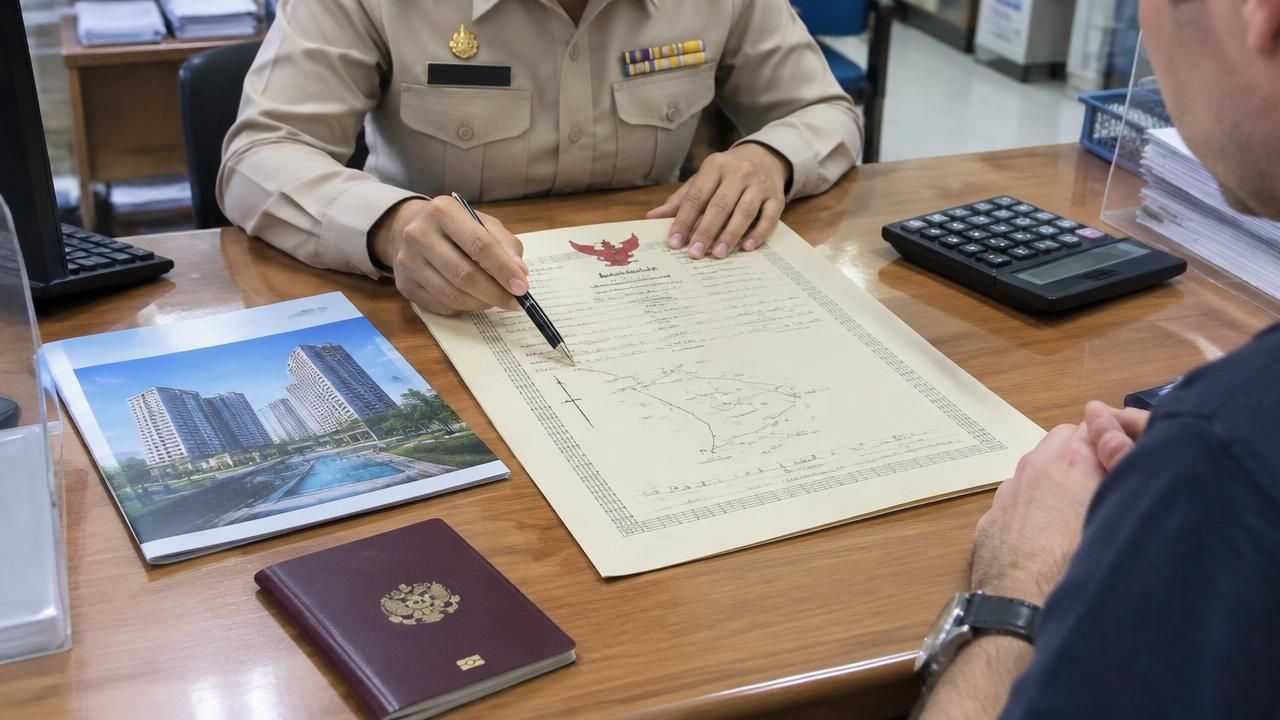
Who this is for
- Foreigners wanting a condo in their own name
- Those weighing long leases on houses or land
- Mixed Thai-foreign couples planning a purchase
- Investors buying multiple units to rent out
What you receive
- Title deed, encumbrance, and foreign-quota checks
- Sale and purchase agreement reviewed before any deposit
- Inbound remittance evidence prepared to Land Office standards
- Transfer day coordinated with taxes and fees computed in advance
- Long-lease or usufruct drafting when freehold is unavailable
Documents to prepare
- Buyer's passport
- Bank foreign-exchange transaction certificate
- Draft sale and purchase agreement
- Consent from the current owner
How it works
4-step process
- 1
Legal due diligence
Title search at the Land Office, mortgages, unpaid common fees, and the building's foreign-quota balance.
- 2
Contract before payment
Deposit refund terms, the transfer date, and default liability must be clear before signing.
- 3
Remit funds correctly
State the condo-purchase purpose on the remittance so the bank can issue the certificate.
- 4
Transfer at the Land Office
Cheques and papers prepared; signing before the officer, with the new title usually issued the same day.
FAQ
Frequently asked questions
Can a foreigner buy a house with land?
Generally no, except narrow statutory exceptions such as qualifying investment schemes. The common route is a 30-year land lease with the house in the buyer's name.
Can a Thai company hold the land instead?
If Thai shareholders are mere nominees, the structure is unlawful. We do not advise on or set up nominee arrangements.
What are the transfer fees and taxes?
They are statutory Land Office rates — transfer fee, specific business tax, stamp duty, and withholding tax — sometimes reduced by temporary measures. We compute from current rates before transfer day.
Related services
Land & Real-Estate Lawyer — Title, Lease, Usufruct
Title due diligence, sale, lease, usufruct, superficies — and closing at Land Office.
Non-O Visa for Marriage and Family Dependants
For spouses of Thai nationals, parents of Thai children, and dependants of work-permit holders.
Contract Review for Foreigners and Cross-Border Business
An English contract used in Thailand must still fit Thai law — some clauses cannot be enforced even when both sides agree.
Written by: Thai Law & Accounting Services — attorneys and licensed accountants
Reviewed by: Reviewed by a Notarial Services Attorney registered with the Lawyers Council of Thailand.
Last updated: 2026-08
Information as of August 2026. Government fees and processing times change — verify with the relevant agency before acting, or let our team verify for you.