Legal service for foreign clients
TM30 Residence Notification and Certificate of Residence in Thailand
Getting the address notification right from day one — the foundation of every extension and official document that follows.
Quick answer
TM30 is the residence notification form that a landlord, property owner, or hotel must file with immigration within the legally set period after a foreigner moves in. Although filing is the host's duty, a missing notification can block the foreigner's visa extension or certain official transactions. Filing is possible at an immigration office, by post, or online. Contact our team for a quotation.
Contact our team for a quotation — Contact our team for a quotation; government fees are billed separately. · Timeframe stated in the quotation
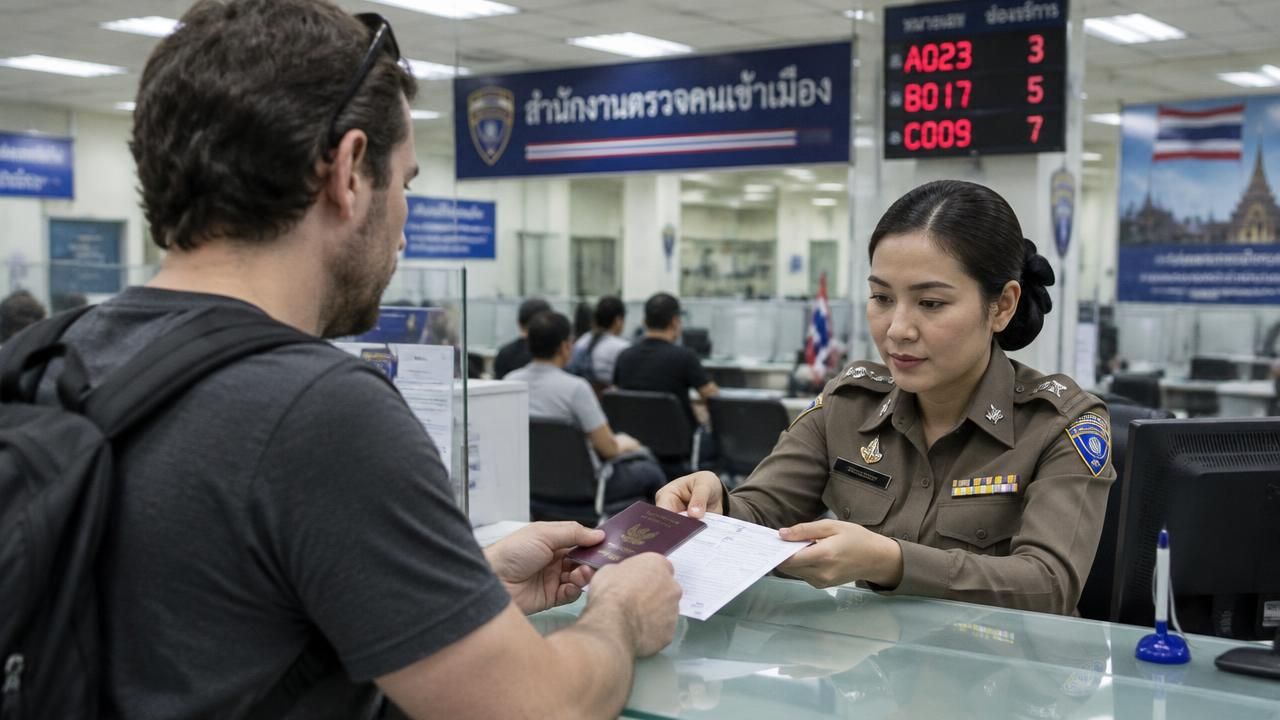
Who this is for
- Foreigners who just moved in and are unsure whether the notification was filed
- Landlords hosting a foreign tenant for the first time
- People needing a residence certificate for a driving licence or bank account
- Anyone whose extension was refused for missing TM30 evidence
What you receive
- Checking your current notification status in the immigration system
- Coordinating with the landlord or hotel so the filing is completed
- Filing through the suitable channel: office, post, or online
- Preparing the residence certificate application when needed
- Setting up a repeat-filing routine for every move or return from abroad
Documents to prepare
- Copies of the resident's passport data page and entry stamp
- The host's ID card or house registration copy
- The lease or other evidence of the right to stay
- A completed TM30 form
- For a residence certificate: photos and extra address evidence as the office specifies
How it works
4-step process
- 1
Check the current status
We first check whether your current address is on file and who bears the duty to notify.
- 2
Coordinate the responsible party
We explain the duty to the landlord or hotel and assemble the required paperwork.
- 3
File and keep the proof
File through the right channel and retain the acknowledgement for future applications.
- 4
Request the certificate when needed
When a licence, account, or vehicle purchase requires it, we prepare the residence certificate request.
FAQ
Frequently asked questions
Is TM30 the same as 90-day reporting?
They are separate matters. TM30 is the host's address notification each time a foreigner moves in, while the 90-day report is the foreigner's own duty during a continuous stay. Both run in parallel.
What if the landlord refuses to file?
The legal duty rests with the host and non-filing carries a fine. We help explain the obligation and make filing as easy as possible for the landlord, or advise alternatives for your situation.
Must it be re-filed after returning from abroad?
In principle a new entry triggers a fresh notification even at the same address, though practice differs between offices. We verify the approach of the office covering your address.
What is a residence certificate used for?
It supports driving licence applications, vehicle purchases or transfers, bank account opening, and other official transactions requiring proof of a Thai address. It is issued by immigration or your embassy depending on the case.
Related services
Immigration Lawyer — Retirement, Marriage, LTR, Overstay
All visa types, citizenship, and PR applications.
90-Day Reporting (TM47) and TM30 Address Notification
Two different duties with different responsible parties — missing either brings fines and extension trouble.
Thai Bank Account Opening for Foreigners and Companies
Personal and corporate accounts — documentation matched to each bank's criteria from the first visit.
Thailand Retirement Visa (Non-O) for Applicants Aged 50+
Stay in Thailand year by year on provable savings or income — no job, no employer needed.
Written by: Thai Law & Accounting Services — attorneys and licensed accountants
Reviewed by: Reviewed by a Notarial Services Attorney registered with the Lawyers Council of Thailand.
Last updated: 2026-08
Information as of August 2026. Government fees and processing times change — verify with the relevant agency before acting, or let our team verify for you.