Legal service for foreign clients
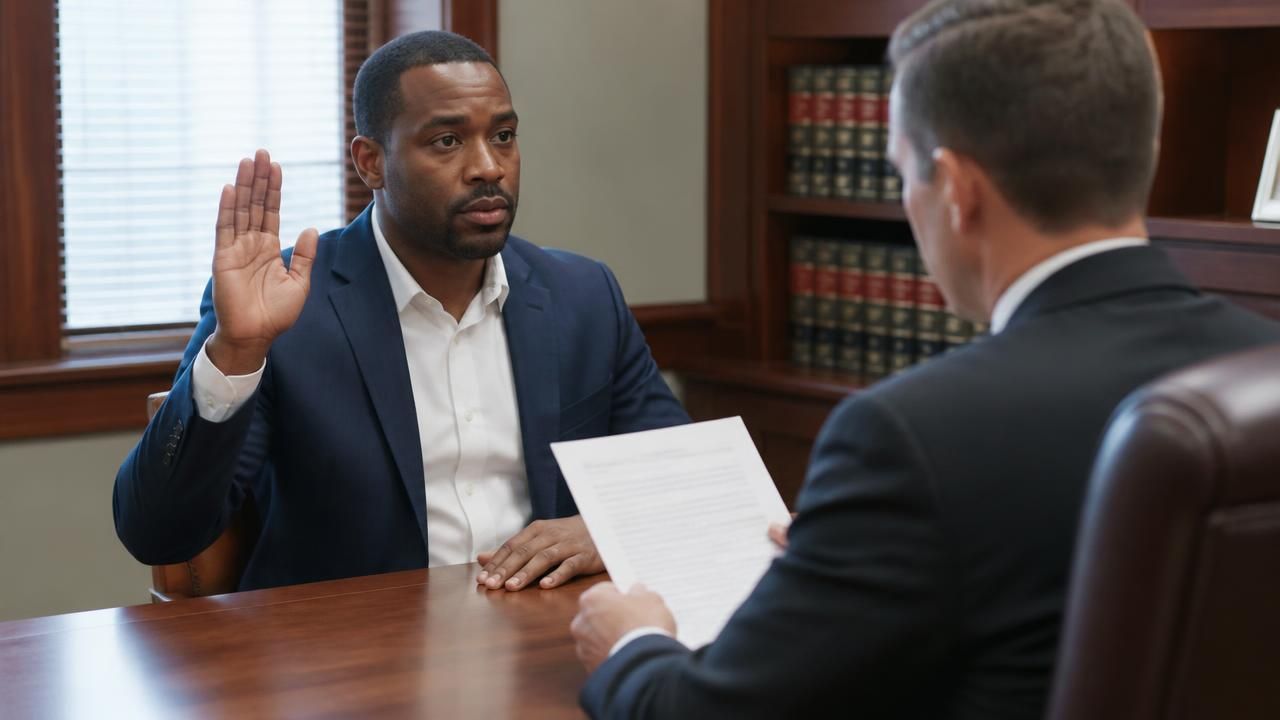
Affidavits and Sworn Statements Before a Notarial Services Attorney in Thailand
What makes a statement usable abroad is not elegant drafting but a deponent who swore it correctly in front of someone entitled to take the oath.
Quick answer
Thailand has no common-law notary public; the equivalent function is performed by a lawyer holding a Notarial Services Attorney licence from the Lawyers Council. We draft the statement to match what the receiving authority actually asks for, take the oath and signature in person, seal and certify it, and advise on any further authentication at the consular department or an embassy. From THB 3,500 per document.
From THB 3,500 — From THB 3,500 per document; bespoke drafting or multiple deponents are quoted on the work involved. · Appointment within one business day, document issued the same day
Who this is for
- Applicants to overseas universities or employers who must file a sworn declaration
- Parents giving consent for a child to travel with someone else
- People confirming single or married status to a foreign authority
- Heirs abroad who must confirm their relationship to a deceased person
- Parties before a foreign court needing sworn evidence from a witness in Thailand
What you receive
- An English statement drafted in the form the receiving side expects
- Verification of the deponent's identity and an oath record kept per Council rules
- The certifying lawyer's seal, signature, and registration number
- Spare certified counterparts for simultaneous filings
- A route map for onward authentication at the consular department and the destination embassy
Documents to prepare
- The deponent's original passport or Thai ID card
- Any form or instruction sheet issued by the receiving authority
- Supporting records referred to in the statement, such as a house registration or birth certificate
- The English spelling of every name exactly as it appears in the passport
- Details of who receives the document and the filing deadline
How it works
5-step process
- 1
Ask the receiving side before drafting
Different bodies want different wording, and drafting on guesswork usually ends in a redo and a second set of fees.
- 2
Sign only in person
Signing first and sending the paper for a seal afterwards is not an oath taken in the presence of the certifier, and the destination may reject it.
- 3
Check every name and number
A single letter that differs from the passport is the most frequent cause of refusal in certification work.
- 4
Plan the onward chain in advance
Many countries want two layers, the consular department first and then the embassy, so allow one to two weeks.
- 5
Keep a signed counterpart on file
If a document goes missing in transit, a spare original signed on the same day lets us reissue immediately.
FAQ
Frequently asked questions
Does Thailand have a notary public?
No such office exists in Thai law, but the Lawyers Council licenses lawyers to certify signatures and documents, and most foreign authorities treat that as the equivalent.
Must the statement always be in English?
Not necessarily; a single bilingual document works and is often preferred because it is easier to check.
The deponent is upcountry — is travel required?
A face-to-face meeting is required, but we travel for certification within Bangkok and the surrounding provinces and can arrange regional counsel elsewhere.
What happens if a sworn statement is untrue?
It can trigger criminal exposure both here and where the document was filed, and any application built on it may be revoked with knock-on effects on a visa or petition.
How long does a certified statement stay valid?
The paper itself does not expire, but receiving bodies commonly insist it was issued within three to six months of filing.
Is consular authentication always needed?
Not always; it depends on the recipient, some of whom accept the certifying lawyer's seal on its own, so we check first to avoid needless cost.
Related services
Signature Certification for Bank, Broker and Overseas Agency Forms
Plenty of overseas forms fail at one box only: the line that reads signed before me.
Consular and Embassy Legalisation — The Whole Chain, From Translation to Destination
Thai documents are rarely refused on content; they are refused because one layer of authentication was skipped.
Powers of Attorney That the Land Office, Banks and Courts Actually Accept
A mandate drafted too widely endangers the grantor; drafted too narrowly it leaves the attorney unable to act.
Written by: Thai Law & Accounting Services — attorneys and licensed accountants
Reviewed by: Reviewed by a Notarial Services Attorney registered with the Lawyers Council of Thailand.
Last updated: 2026-08
Information as of August 2026. Government fees and processing times change — verify with the relevant agency before acting, or let our team verify for you.